Frequently Asked Questions
How do I verify a roofing contractor’s WSIB coverage in Ontario?
Ask the contractor for their WSIB clearance certificate and verify the clearance number at wsib.ca. The WSIB online tool confirms whether a contractor’s account is in good standing. This takes less than a minute and is worth doing before any work begins.
Does Ontario require roofing contractors to be licensed?
Roofing is not a compulsory trade in Ontario, meaning there is no mandatory provincial licence required to call yourself a roofing contractor. This makes independent verification of WSIB coverage, liability insurance, BBB accreditation, references, and time in business more important, not less. The absence of a licensing requirement means the onus is on the homeowner to vet contractors carefully.
What should a roofing contract include in Ontario?
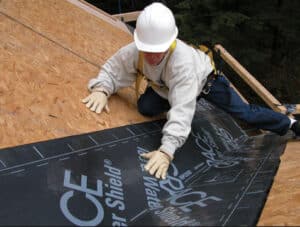
A complete roofing contract should specify: the contractor’s name, address, and insurance information; a full description of the work including; removal and disposal of existing materials; ice and water shield and underlayment specifications; projected start and completion dates; total price and payment schedule; and the workmanship warranty in full. Do not sign a contract that is missing any of these elements.
What is the difference between a manufacturer warranty and a workmanship warranty on a roof?
The manufacturer warranty covers defects in the roofing materials themselves — shingles, underlayment — and is provided by the shingle manufacturer. It typically runs 25 to 50 years but has conditions around installation. The workmanship warranty is the contractor’s own guarantee on the quality of their installation work and covers issues like improper flashing or fastening. These are two separate warranties, and both should be provided in writing.